Sport4All Answer:
It can be challenging for regional athletes to navigate the pathway to the Paralympics, but there are definitely resources and support systems available. Here are a few suggestions:
- Paralympics Australia’s Start Line program: This is an excellent starting point. It’s specifically designed to help aspiring Paralympians understand the process, connect with relevant organizations, and find pathways in their chosen sport. You can access the Start Line website for resources and information, and even submit an enquiry to get personalised guidance. They also run “come and try” days around the country, which are a great way to experience different Para-sports and connect with local clubs.
- Regional Sports Academies: Many regions have academies that offer specialised coaching, strength and conditioning programs, and other support services. These academies are increasingly inclusive of para-athletes and other athletes with disability. Connect with your local Regional Sports Academy or State Government department of sport to find out what’s available in your area and how to get involved.
- Local Clubs and Schools: Don’t underestimate the power of local sports clubs and schools. Inclusive PE teachers and supportive coaches can be instrumental in nurturing talent and providing guidance. Clubs can often connect you with regional or state-level competitions and development programs.
Sport4All Answer:
While combining the Olympics and Paralympics might seem like a step towards greater inclusion, it’s a complex issue with logistical, organisational, and even philosophical hurdles.
Here’s a breakdown of the main challenges:
- Resources: Combining the events would require a massive increase in accommodation, venues, and overall event duration, leading to significant logistical and financial challenges.
- Organisation: Coordinating two major sporting events with separate governing bodies and athlete schedules would be incredibly complex.
- Media: Ensuring equitable media coverage for both events and all athletes would be a major undertaking.
- Identity: Some argue that combining the events could dilute the unique identity and appeal of each.
While the Gold Coast Commonwealth Games successfully integrated some para-sport events, many others missed out for various reasons, including some of those listed above. The Olympics and Paralympics operate on a much larger scale, further compounding some of these challenges.
Sport4All Answer:
It’s tough to grow a sport with low participation, but here’s a plan to boost wheelchair racing and seated throws in Queensland:
- Targeted “Come and Try” Days: Organise events specifically for seated throws and wheelchair racing. Partner with rehab centers, disability service providers, and schools to reach potential athletes.
- Clear Eligibility Criteria: Many people with disability who can walk are eligible for seated throws. Create a poster similar to the wheelchair tennis one that clearly explains eligibility.
- Accessible Equipment: Have readily available equipment for newcomers to try. Know where to find used, loan or upgraded equipment to make it easier for people to get started.
- Coach Development: Many throws coaches might be unfamiliar with seated throws. Offer training and mentoring to build coaching capacity.
- Connect Athletes and Coaches: Organise training and competition weekends to bring athletes and coaches together, even if it requires interstate collaboration.
- Leverage Existing Networks: Queensland has a growing frame running community. Many of these athletes may be eligible for seated throws. Connect with Amy Tobin at Now I Can Run to tap into this network.
Combine targeted outreach, accessible equipment, coach development, and athlete connection to create a sustainable pathway for wheelchair racing and seated throws in Queensland.
Here is an example of a poster for wheelchair tennis. 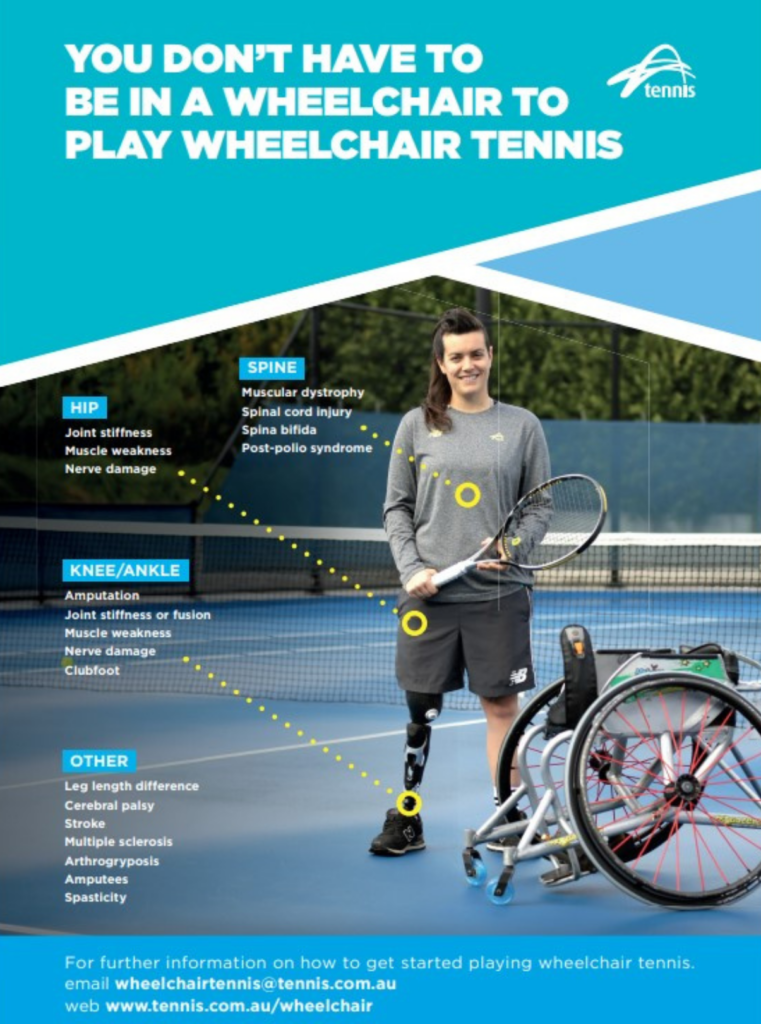
Sport4All Answer:
Many coaches are volunteers and may lack the confidence to support athletes with disability. Here’s how we can help clubs equip them:
- Easy-to-access training: Provide online modules, workshops, and resources on disability awareness, inclusive coaching, and classification.
- Mentorship: Connect experienced para-sport coaches and coaches of people with disability with those new to inclusion. Create online forums for sharing knowledge and support.
- Funding and Recognition: Offer grants for coach education and recognize those committed to inclusion.
- Collaboration: Partner with disability organizations to deliver training and resources.
- Inclusive Culture: Promote inclusion from the top down, involve athletes with disabilities in decision-making, and celebrate their achievements.
Sport4All Answer:
Physiotherapists and Occupational Therapists (OTs) are vital in bridging the gap between therapy and sports for children with disability. They already work closely with these children, understanding their individual needs and capabilities. They can:
- Recommend suitable sports and activities: Based on a child’s strengths and needs, therapists can suggest appropriate sports and modify activities for optimal participation.
- Educate and empower families: Therapists can guide families on how to support their child’s sporting journey, including finding inclusive clubs and accessing resources.
- Collaborate with coaches: Therapists can work with coaches to explain a child’s needs, suggest adaptations, and create a safe and enjoyable sporting experience.
- Facilitate access to funding: Therapists can help families navigate the NDIS to access funding for sporting equipment, participation fees, and therapy related to sports goals.
The NDIS plays a crucial role by:
- Funding: Providing financial support for equipment, therapies, and programs that enable children with disabilities to participate in sports.
- Connecting the dots: The NDIS can facilitate collaboration between therapists, families, and sporting organisations to ensure a coordinated approach to supporting participation.
Increased involvement of therapists and proactive support from the NDIS can significantly enhance the sporting experiences of children with disability.
Sport4All Answer:
“Come and try” days are great, but the real challenge is keeping people engaged in sport long-term. Here’s the key:
- Make it fun and welcoming: Create a positive environment where everyone feels included and enjoys themselves.
- Keep it challenging: Offer ongoing skill development, varied activities, and opportunities for progression.
- Make it local and ongoing: Ensure that “come and try” days are followed up with regular, local opportunities to participate. This could include weekly training sessions, local competitions, and ongoing support within the community.
- Make it accessible: Ensure facilities and equipment are accessible, and consider financial assistance and transportation options.
- Communicate and support: Provide regular updates, encourage feedback, and offer individualized support.
- Promote a positive culture: Emphasize fun, respect, and fair play.
By focusing on these elements, we can create a lasting passion for sport!
Sport4All Answer:
Here’s a starting point for getting PE teachers excited about Para sport:
- Open their eyes to the possibilities: Share inspiring stories of Para athletes and showcase the wide range of adaptive sports available.
- Make it easy: Provide ready-to-use resources with information on adapted sports, equipment, and inclusive teaching strategies.
- Hands-on learning: Offer practical workshops where teachers can experience adapting activities and using adaptive equipment firsthand.
- Build a support network: Connect teachers with experienced Para sport coaches and create opportunities for them to share ideas and learn from each other.
It’s a journey, but by fostering awareness, providing support, and building confidence, we can empower PE teachers to embrace Para sport and create inclusive experiences for all students.
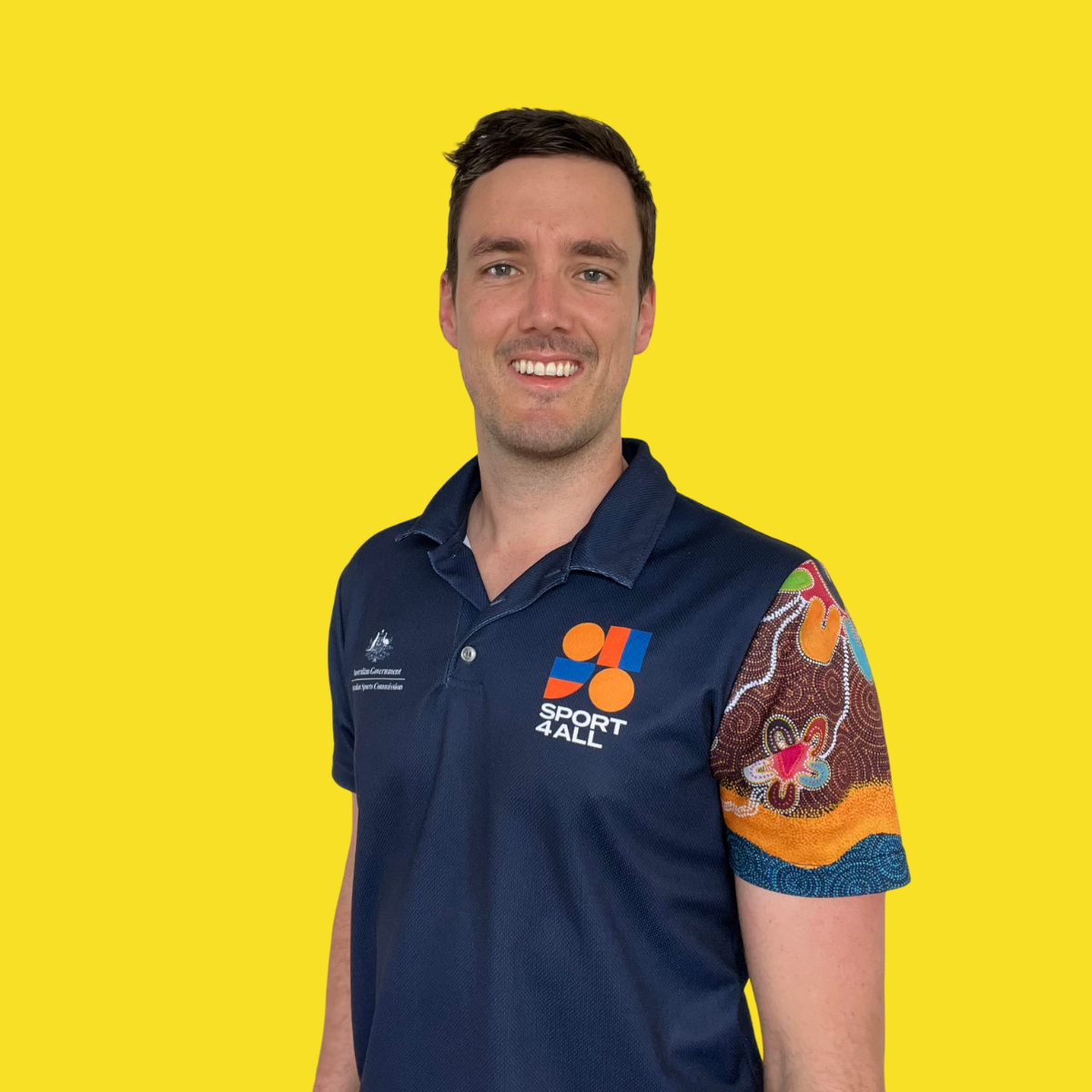
Blake Cochrane OAM
Former Paralympian and Sport4All State Manager - QLD/NT
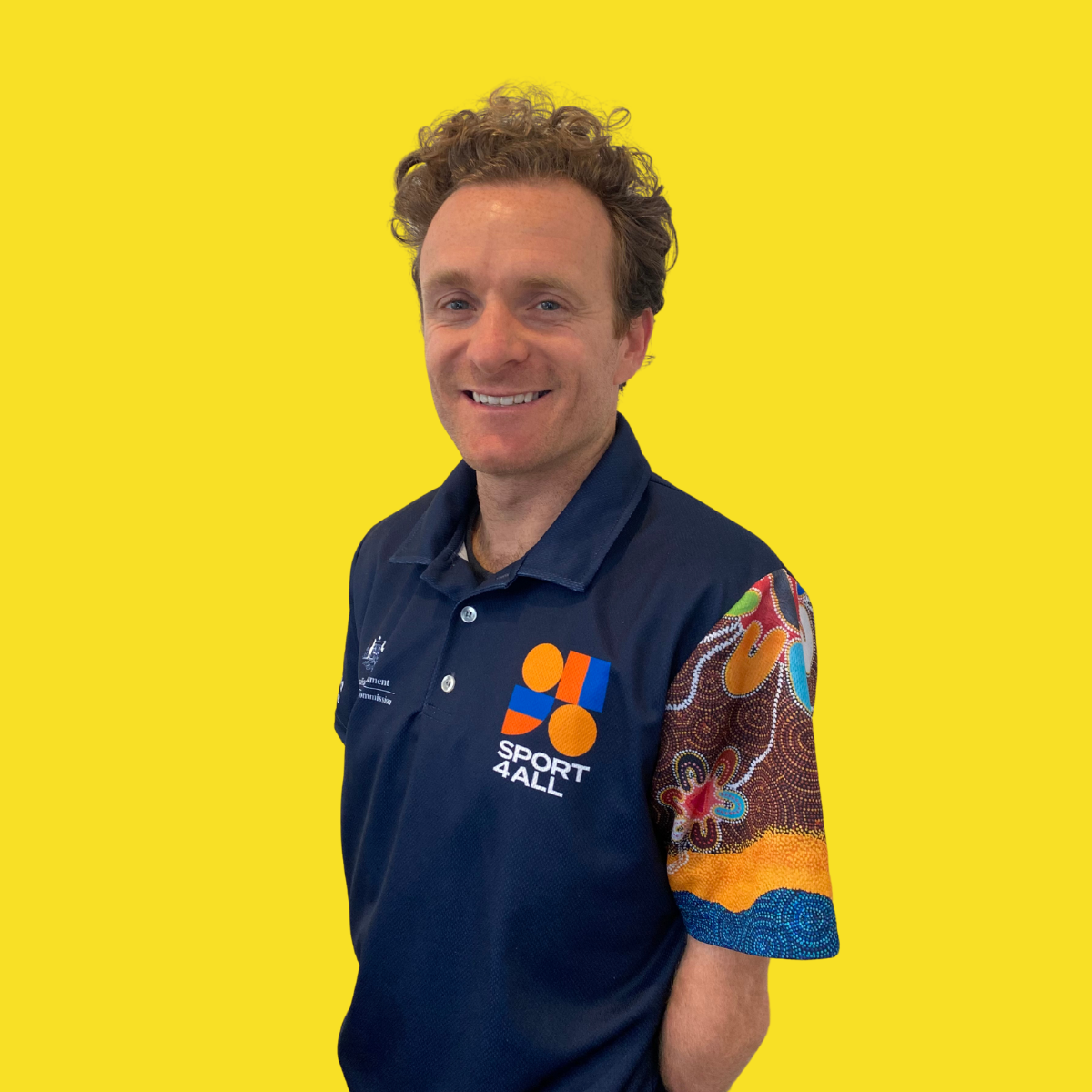
Mitch Gourley
Former Paralympian and Sport4All National Manager

Milly Tapper
Olympian and Paralympian with Australian Table Tennis

Marita Morgan
Operations Manager at City Community Tennis