Building Inclusive Sport Environments in the Northern Territory
Introduction
Creating inclusive sport environments takes more than intention. It requires shared learning, honest conversations, and practical action.
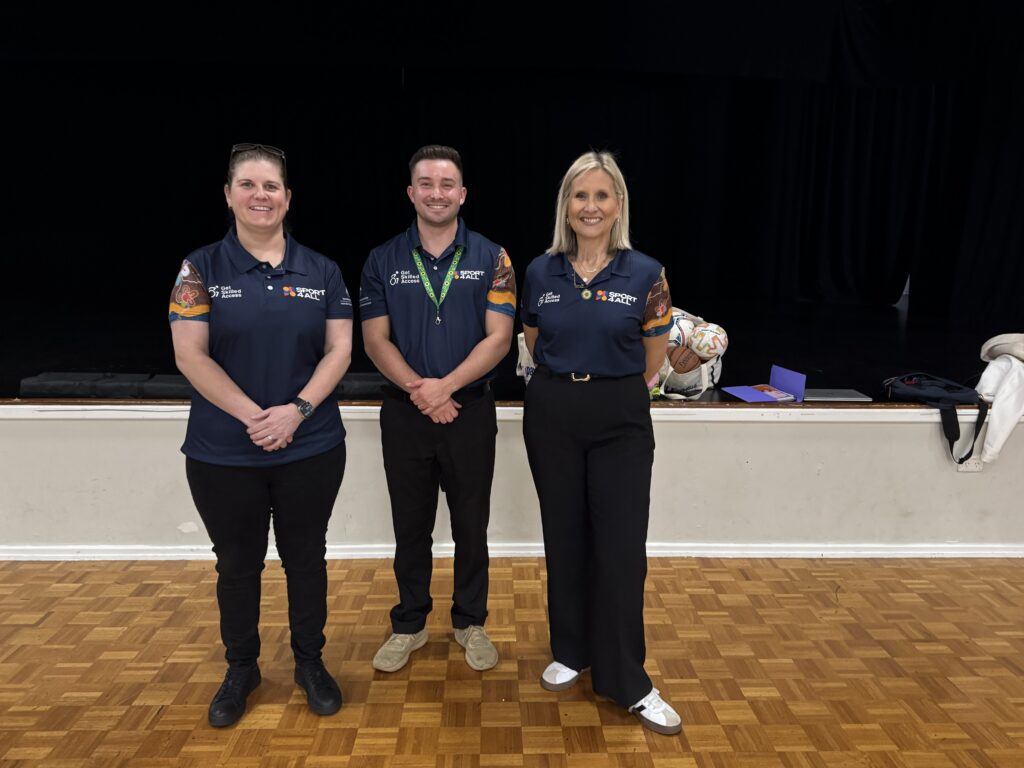
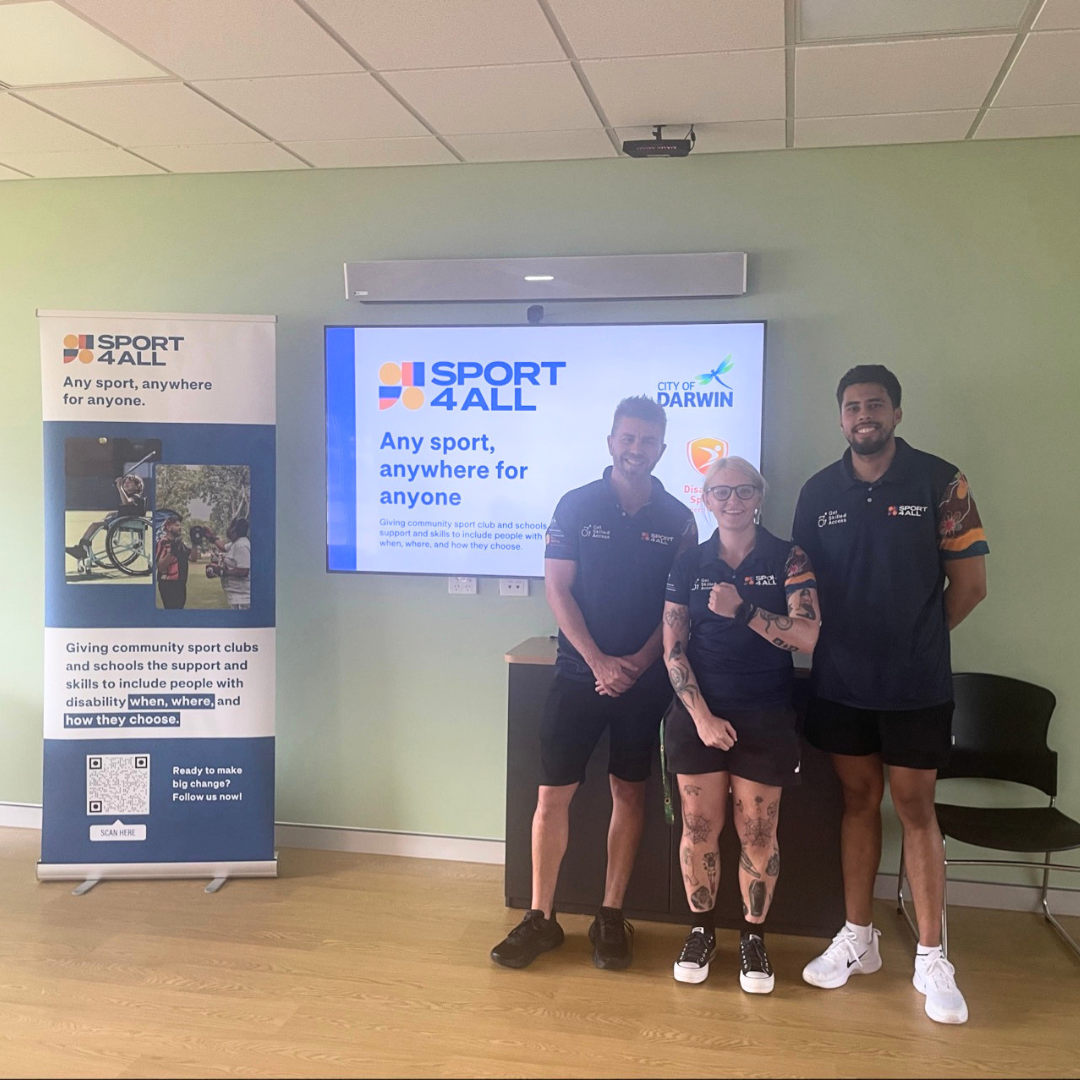
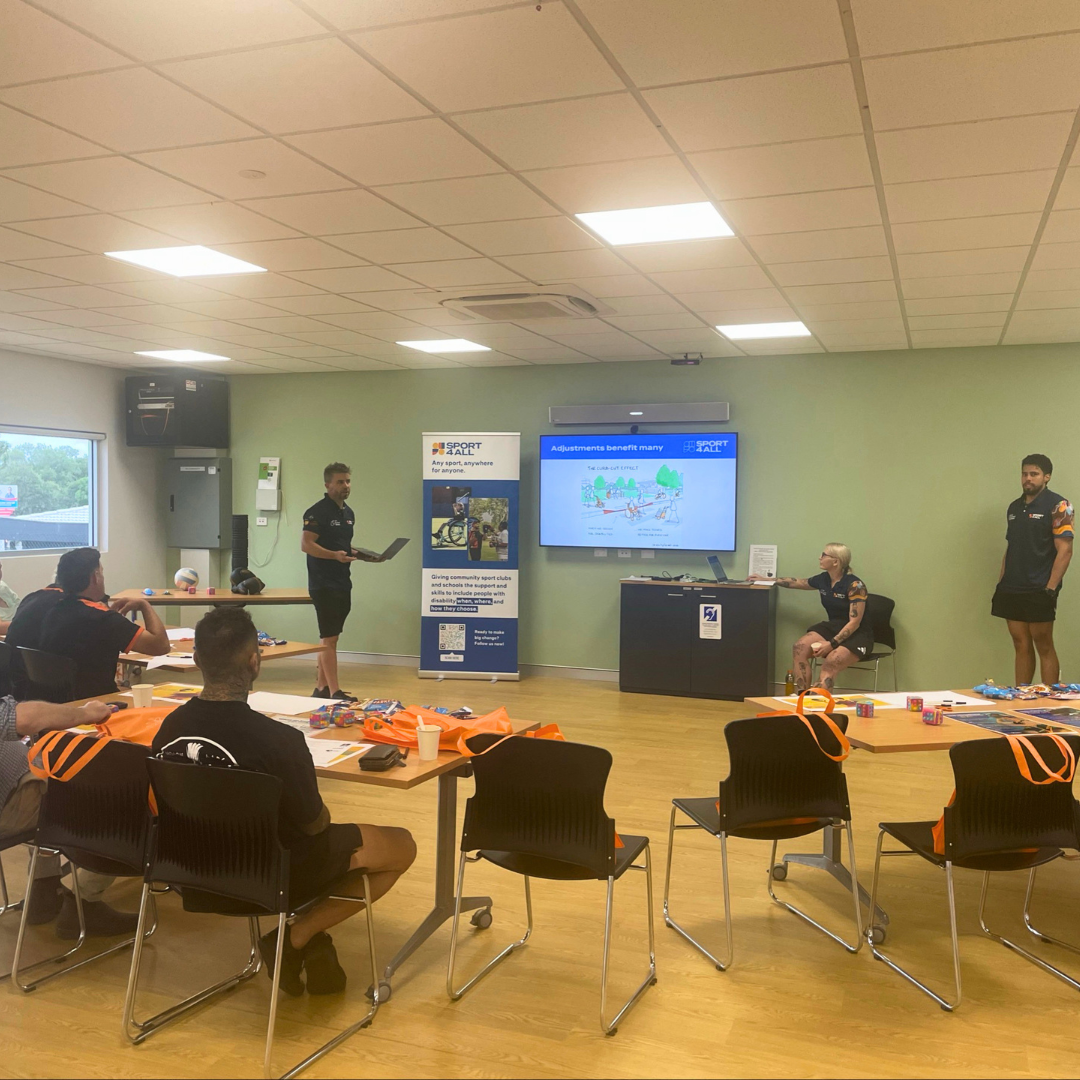
Two weeks ago in Darwin, the Sport4All team delivered its first local Learning Forum, bringing together clubs, coaches and community leaders to explore what disability inclusion in sport looks like in practice across the Northern Territory.
From the outset, it was clear this would be a different kind of session.
A Different Kind of Room
There was a strong energy in the room.
Participants were not just listening. They were asking questions, sharing their own experiences, and reflecting on how community sport inclusion could apply in their own environments.
That shift, from passive attendance to active involvement, is where meaningful change begins.
When people start connecting these ideas to their own clubs and programs, inclusion becomes something practical, not theoretical.
Delivering as a Team
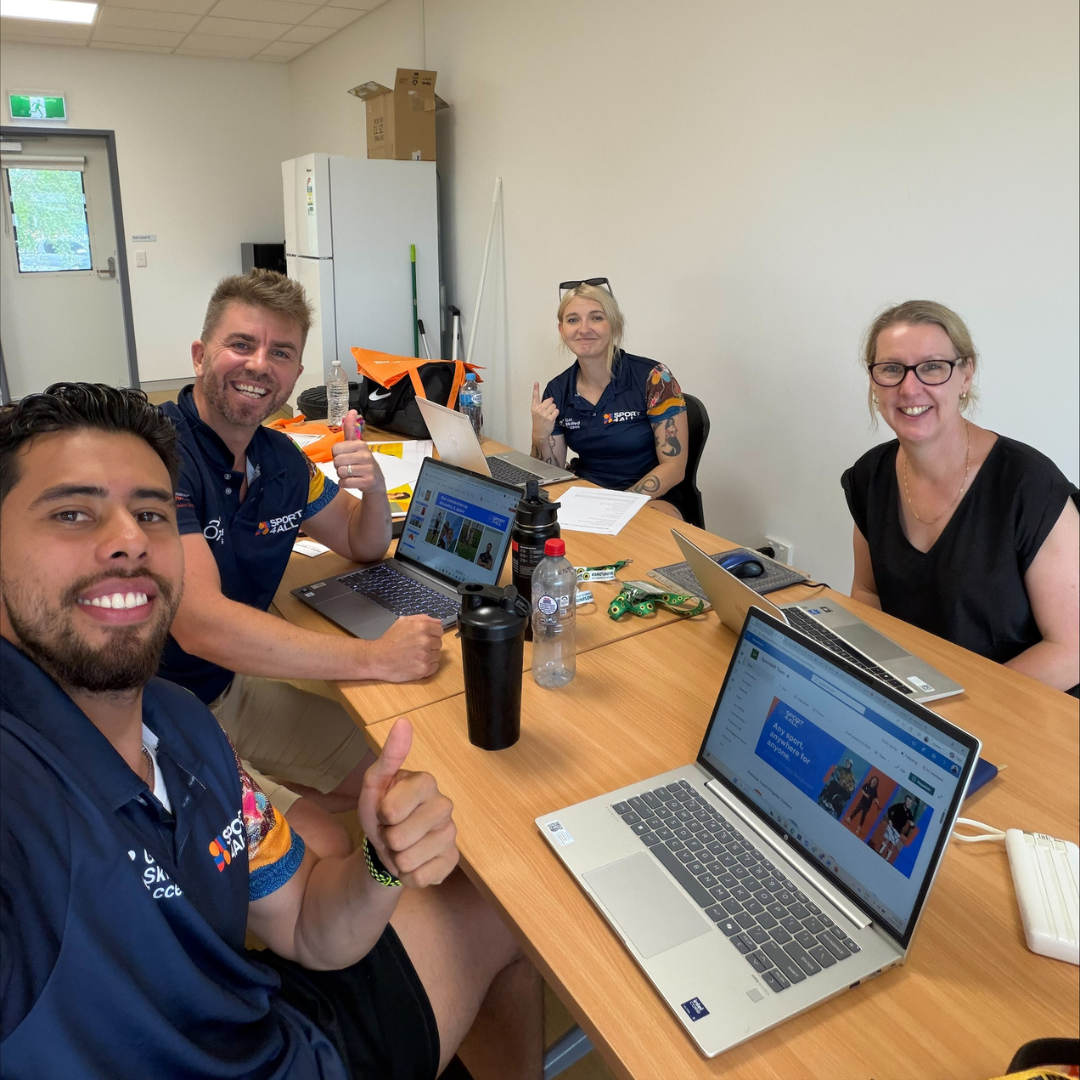
One of the most valuable aspects of the forum was delivering it together.
Much of Sport4All’s work happens individually, often across different regions. In Darwin, the team had the opportunity to present as a group, which created a more engaging and responsive experience.
It allowed for:
- Multiple perspectives
- More natural conversation
- Stronger connection with participants
It also reflected what inclusive sport programs in Australia should look like in practice – collaborative, adaptable, and not reliant on a single voice.
Why Local Connection Matters
Working in Darwin offers a unique advantage.
While many team members operate remotely, the Darwin team is able to connect in person more regularly. That proximity strengthened both the preparation and delivery of the forum.
Stronger team connection led to:
- More cohesive delivery
- Greater confidence in the room
- A more engaging learning environment
This reinforces an important idea: building inclusive sports clubs is not just about what is delivered, but how teams work together behind the scenes.
Inclusion Looks Different in Every Sport
The forum brought together a wide range of sports, including Soccer, Muay Thai, Yoga, Cricket and Life Saving.
Each comes with different challenges and structures.
A high-contact sport will approach inclusion differently to a wellbeing-focused activity. A team environment will differ from an individual one.
But one thing was clear throughout the session:
While the approach may differ, the responsibility to create accessible sport for people with disability is shared.
From Conversation to Action
The impact of the forum was immediate.
- Five sports have already committed to continuing their journey with Sport4All
- Follow-up sessions will focus on building tailored action plans
- Additional clubs have expressed interest in participating
This is where real progress happens.
Understanding how to make sport more inclusive is one step. Applying it within local clubs and organisations is the next.
The Role of Lived Experience
This forum also highlighted the importance of lived experience in inclusion work.
One of the presenters reflected:
As someone with ASD and ADHD, standing in front of a room and delivering a public presentation was never something I imagined.
This matters.
Inclusion is not only about participation. It is also about who is designing, delivering, and leading programs.
When organisations take a genuine approach to disability inclusion in local sport clubs, they:
- Create meaningful opportunities
- Strengthen their programs
- Reflect the communities they serve
Lived experience is not an add-on. It is essential.
Why This Matters
Over 1 in 5 Australians live with disability, yet many still face barriers to participating in sport.
Work like this helps address that gap.
It supports:
- Stronger community connections
- More accessible environments
- Increased participation across all levels
And importantly, it shows that building inclusive sport environments is achievable when clubs are supported with the right tools and guidance.
Please note: This is not a complete guide. These are starting points designed to spark curiosity and support your next steps.
What Happens Next
The momentum from this forum is clear.
- Conversations have started
- Clubs are taking action
- Interest in inclusive sport in the Northern Territory is growing
Sport4All will continue working alongside clubs and organisations to support their next steps.
Because inclusion is not a one-off initiative. It is an ongoing process.
Sport4All would like to thank the City of Darwin for providing the venue and supporting the delivery of this forum.
If your club or organisation is looking to build more inclusive sport environments, Sport4All can support your journey.
Related Blogs