The Different Pathways to Understanding Inclusion

Bradley Brider
Inclusion Coach - Campbelltown City Council
When you grow up with a disability, you’re constantly surrounded by it. You visit doctors and specialists, learn about your condition, and often connect with disability organisations that provide information, guidance, and community. You might join social groups or disability sports, where you meet others with similar life challenges. Over time, you naturally share experiences and tips, and through all of this, you gain a deep, lived understanding of disability.
For someone without that lived experience, understanding doesn’t always come naturally. Unless they actively seek it out, they may never fully appreciate what inclusion means day-to-day. That’s why programs like Sport4All are so important. We work to bridge that gap, advocating for and educating others about disability, especially children and young people. If we can teach the next generation early, they’re more likely to grow up with greater awareness, empathy, and openness when it comes to inclusion.
Thorndon Park Primary Making Inclusion a Priority
From the moment Campbelltown Council and Sport4All connected with Thorndon Park Primary, it was clear the school had a genuine passion for inclusion. Principal Greg Johnson and teacher Karsan Hutchinson were eager to explore how Sport4All could help educate both students and staff about disability in meaningful, practical ways.
One idea stood out – showcasing disability sport on the final day of the school’s annual House Week, where student house captains run lunchtime activities to highlight a variety of skills and interests.
My Connection to Disability
I have a condition called Fraser Syndrome, which affects my body in a few ways. The main ones are that I’m both vision and hearing impaired. My vision is 2/60, which means I see two metres as clearly as someone without a vision impairment sees sixty.
I was fortunate to grow up in an environment that encouraged me not to let these challenges hold me back. That support led me to achieve something not many people can say they’ve done, representing Australia in blind cricket.
Teachers vs Students – Blind Cricket in Action
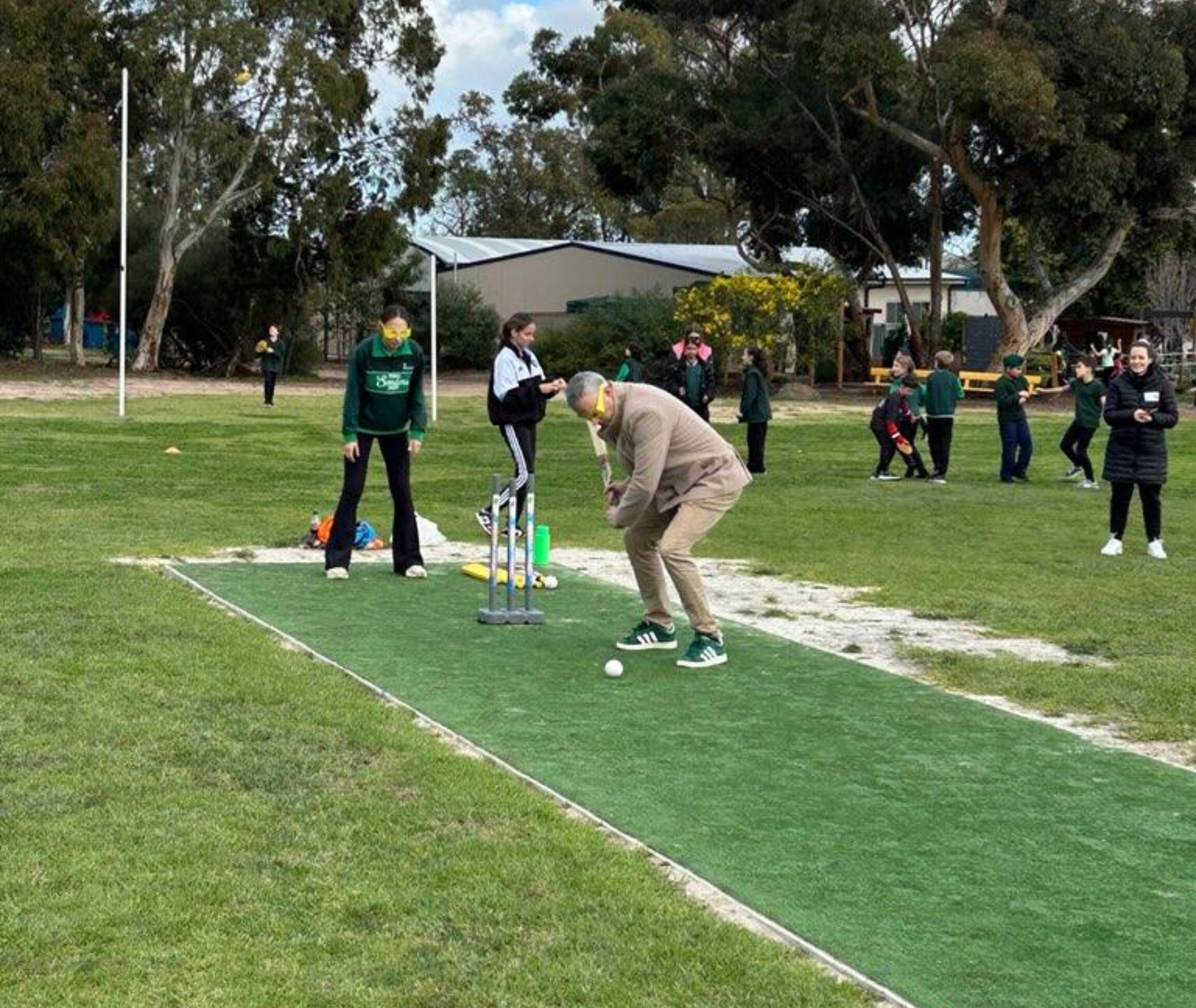
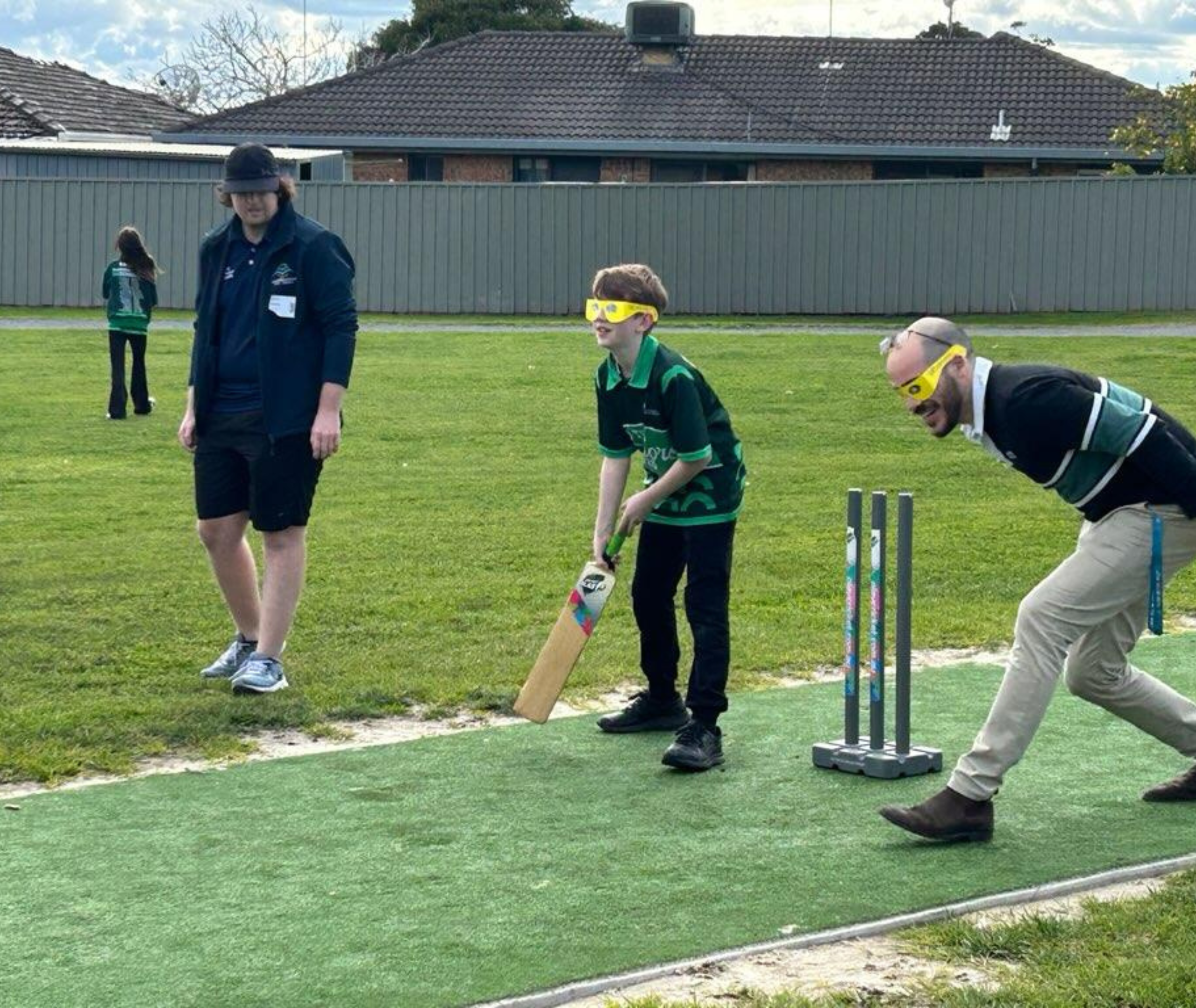
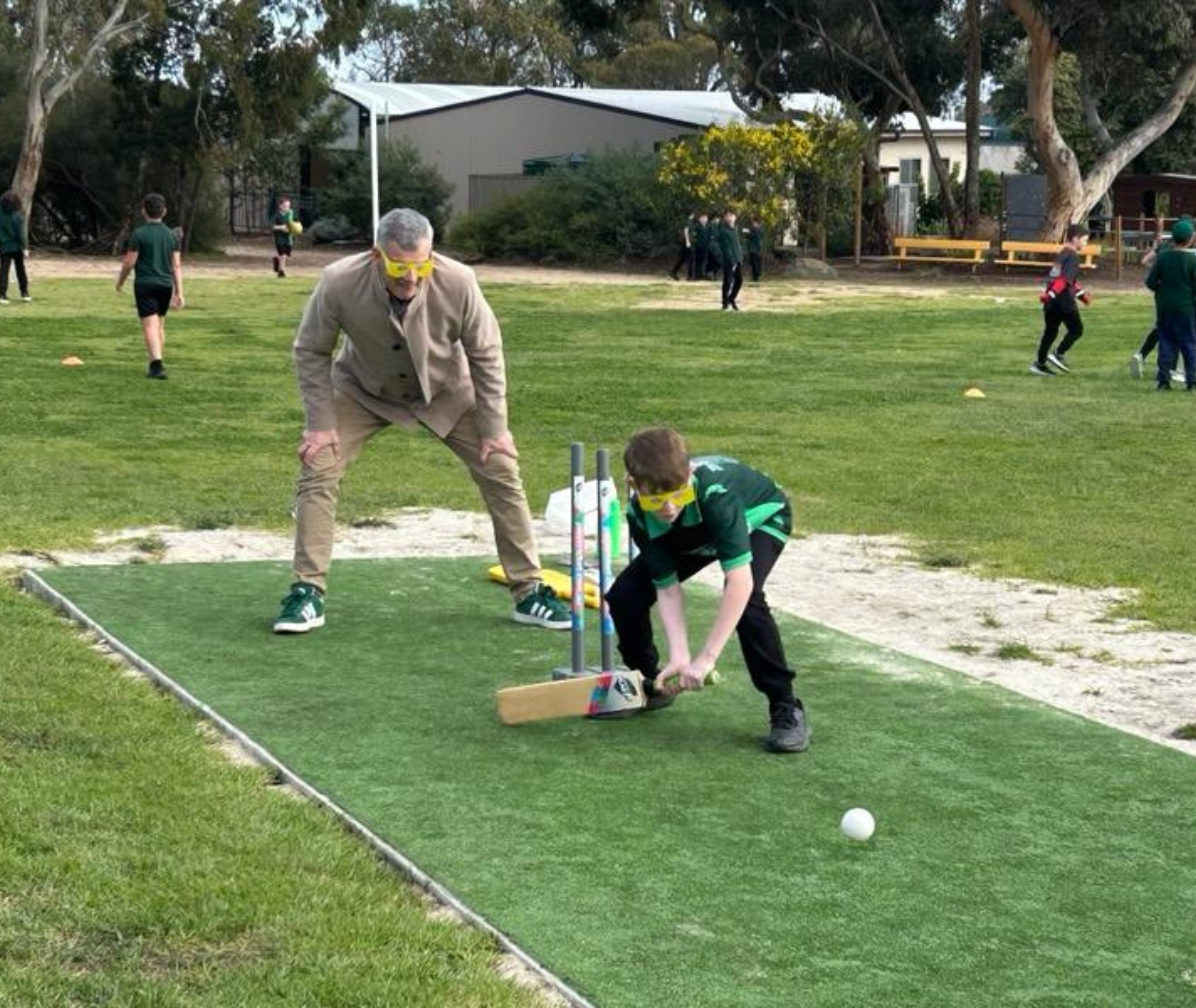
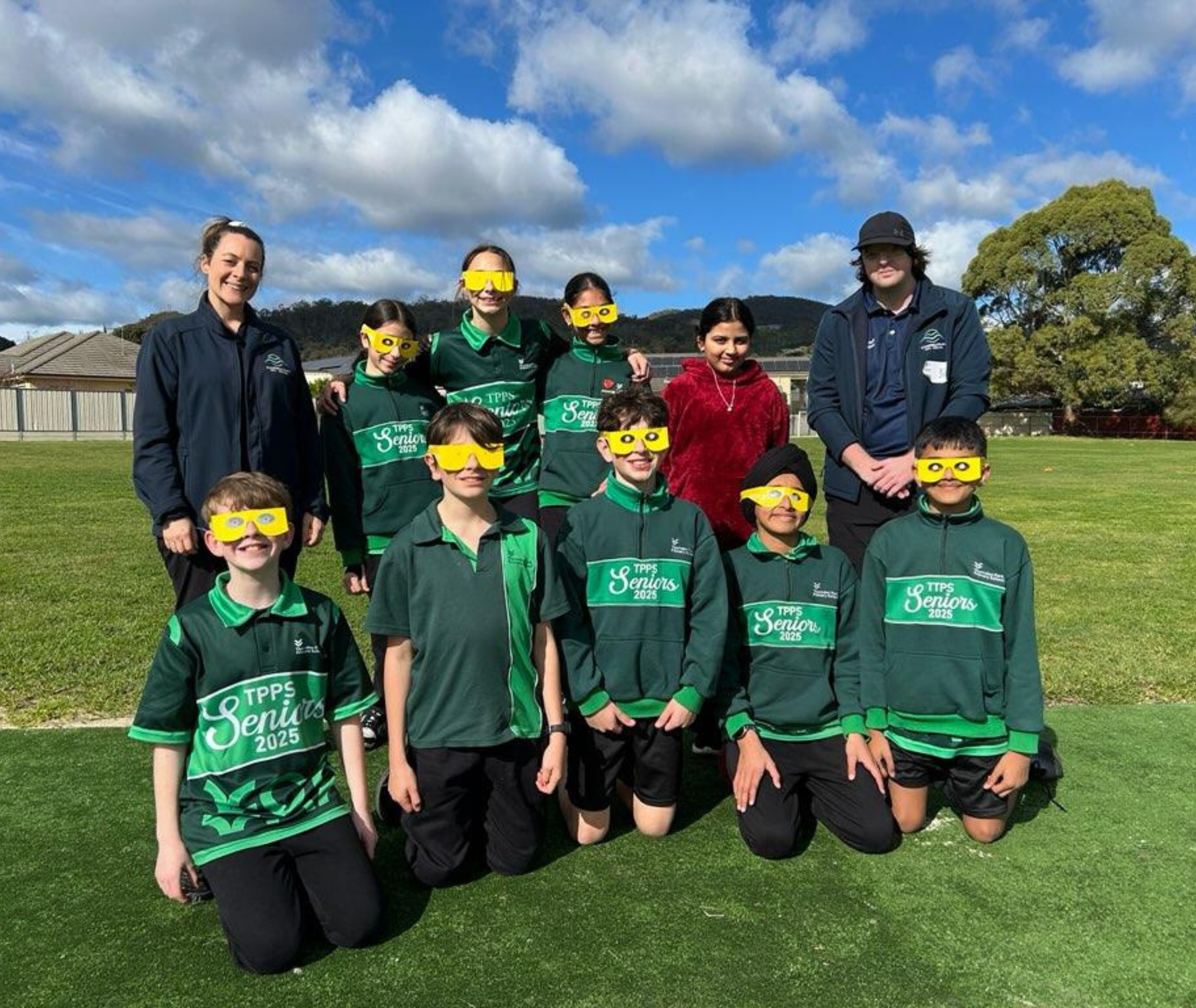
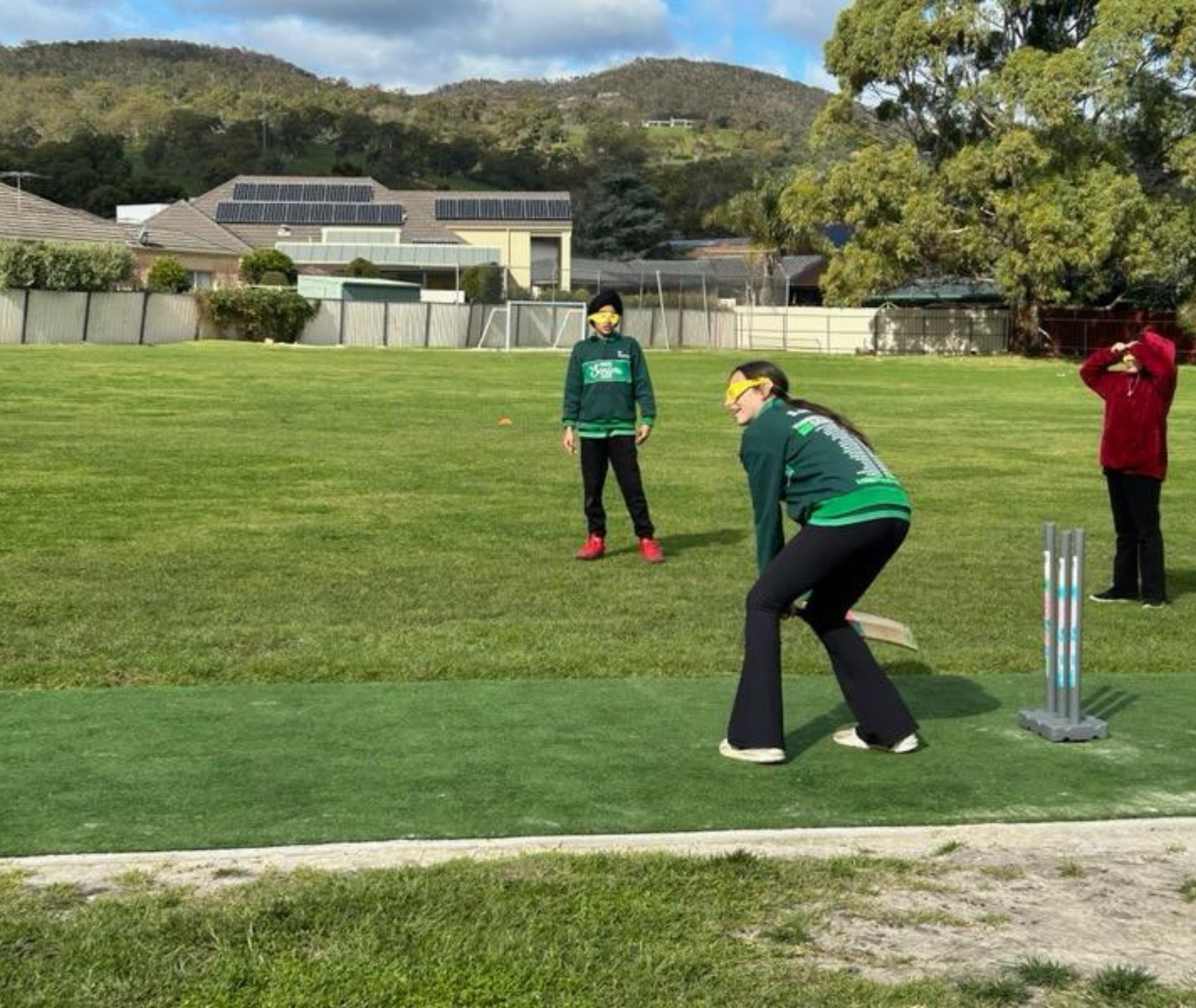
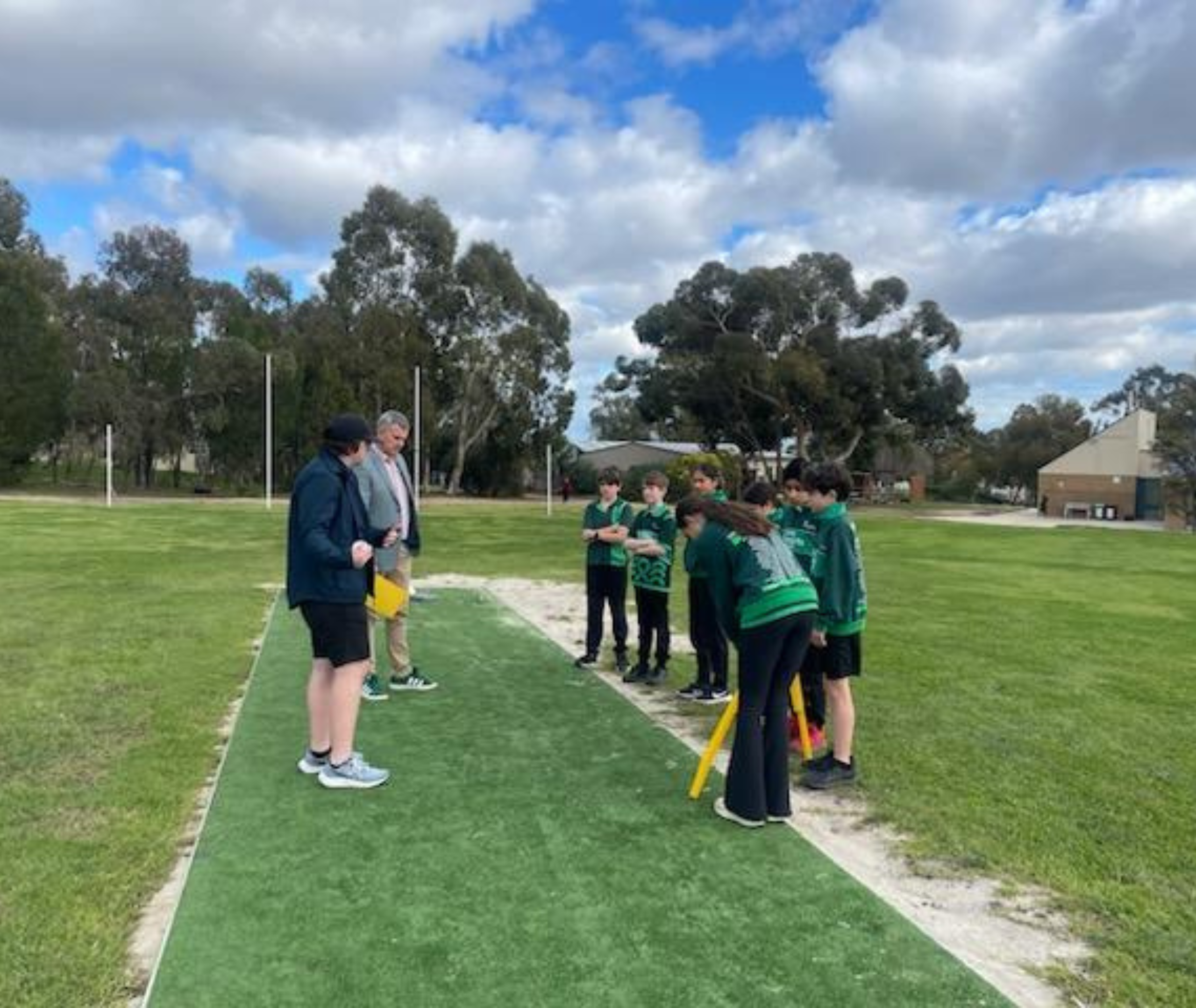
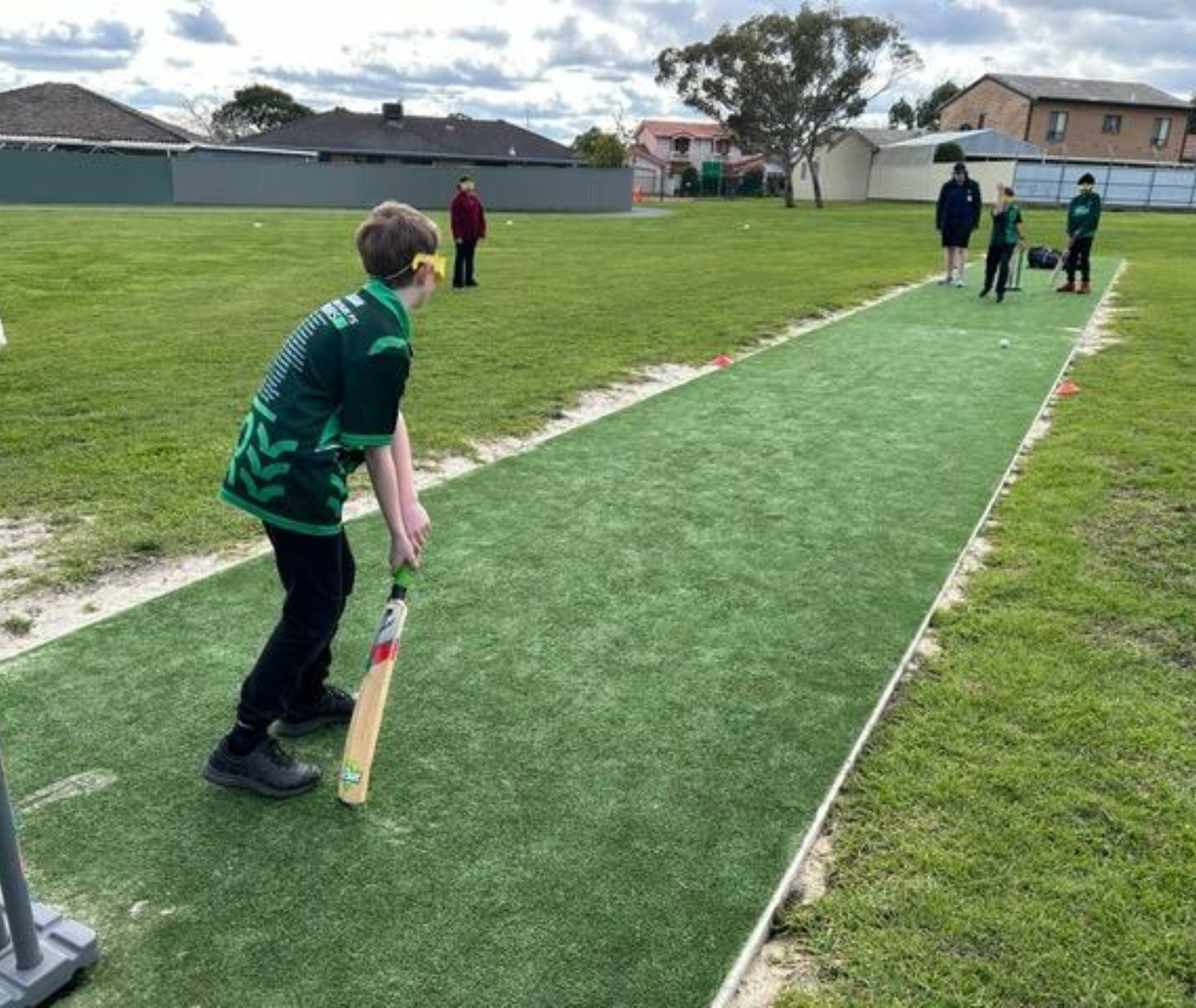
In previous House Weeks, the school would finish with a teachers vs students event. With my background in disability sport, we suggested a blind cricket match to give everyone a first-hand experience of inclusive sport.
A big focus in blind cricket is communication. For example, if someone is fielding on the boundary 45 metres away, they might not see the ball come off the bat, so the wicketkeeper often guides them to the ball using their voice. When bowling, you always ask the batter if they are ready before releasing the ball and calling “Play!” as you let it go.
The students quickly embraced these rules – even taking pride in reminding the teachers (gently) when they forgot to call “Play!”
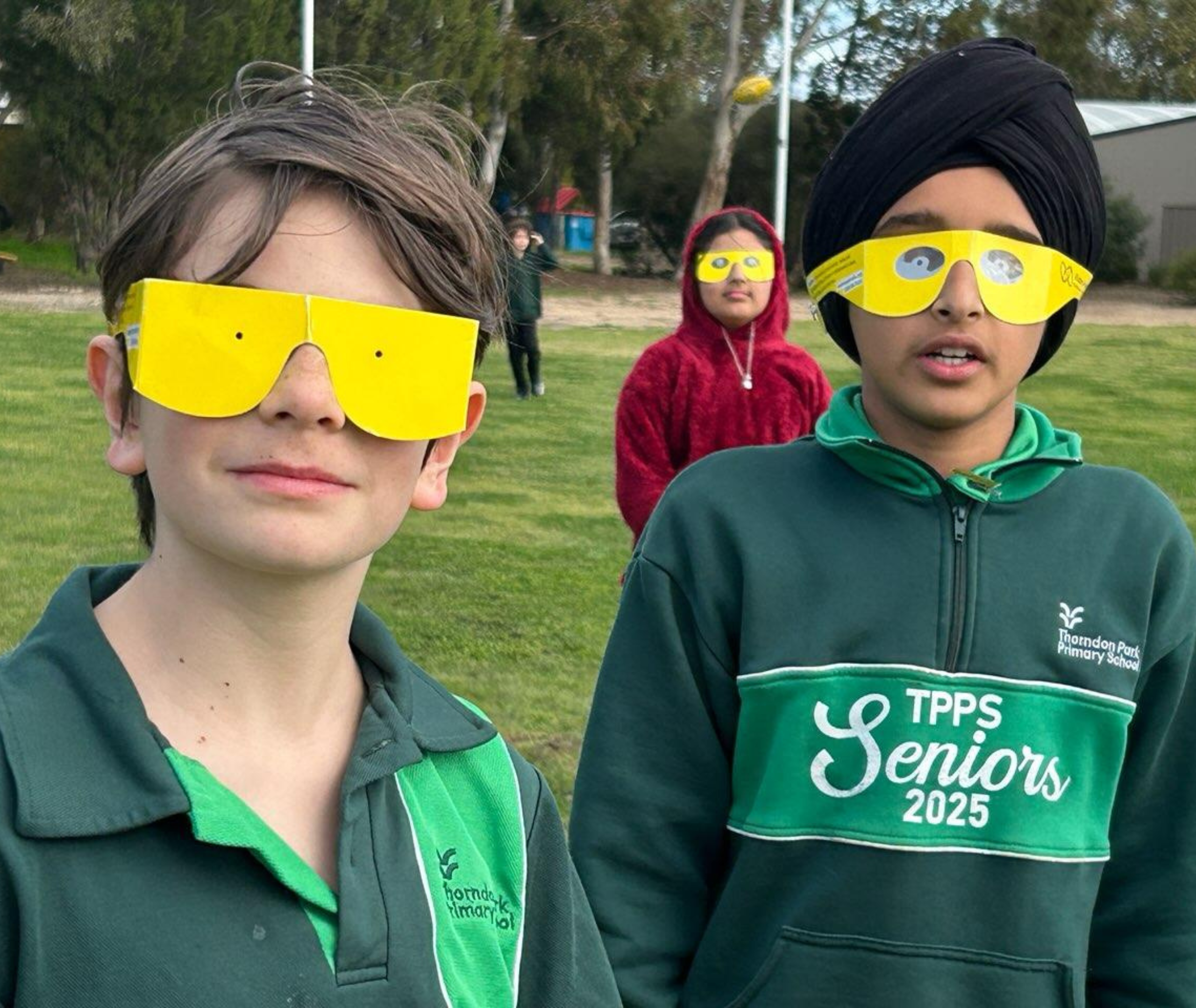
To add to the experience, everyone wore vision simulation glasses, each designed to replicate different types of vision impairment. This gave students a powerful insight into how varied sight loss can be. Karsan reminded them to keep the glasses on, even when the game got tricky, because for someone with a disability, taking them off isn’t an option. That simple reminder helped students appreciate that real-life challenges can’t just be “paused” when things get difficult.
What the Students Learned
One student, Hunter (Year 6), reflected:
“It was really fun. I thought blind people would just see black, but I learned about being vision impaired. Playing cricket with the blind glasses was hard, and it made me realise that some people have to manage with this every day. I like that people with vision impairment can be given the same opportunities.”
That’s knowledge Hunter, and all the students, will carry with them. When they meet a person with a disability in the future, they won’t feel awkward or unsure; they’ll simply treat them like anyone else.
Why This Matters
Experiences like this help normalise inclusion. For these students, disability isn’t just something they’ve read about, it’s something they’ve experienced, played alongside, learned from, and celebrated.
It might sound a bit sentimental, but while the kids won the cricket game, the real victory was everyone being out on the field, having fun and learning together.
Related Blogs
Staff at Splash Devonport Aquatic and Leisure Centre say Sport4All’s online learning has given them greater confidence and understanding when supporting people with disability. Working with local Inclusion Coach Jo Carson, the team is also identifying new opportunities to make participation more welcoming. Jo has been working with the centre for a couple of months. […]